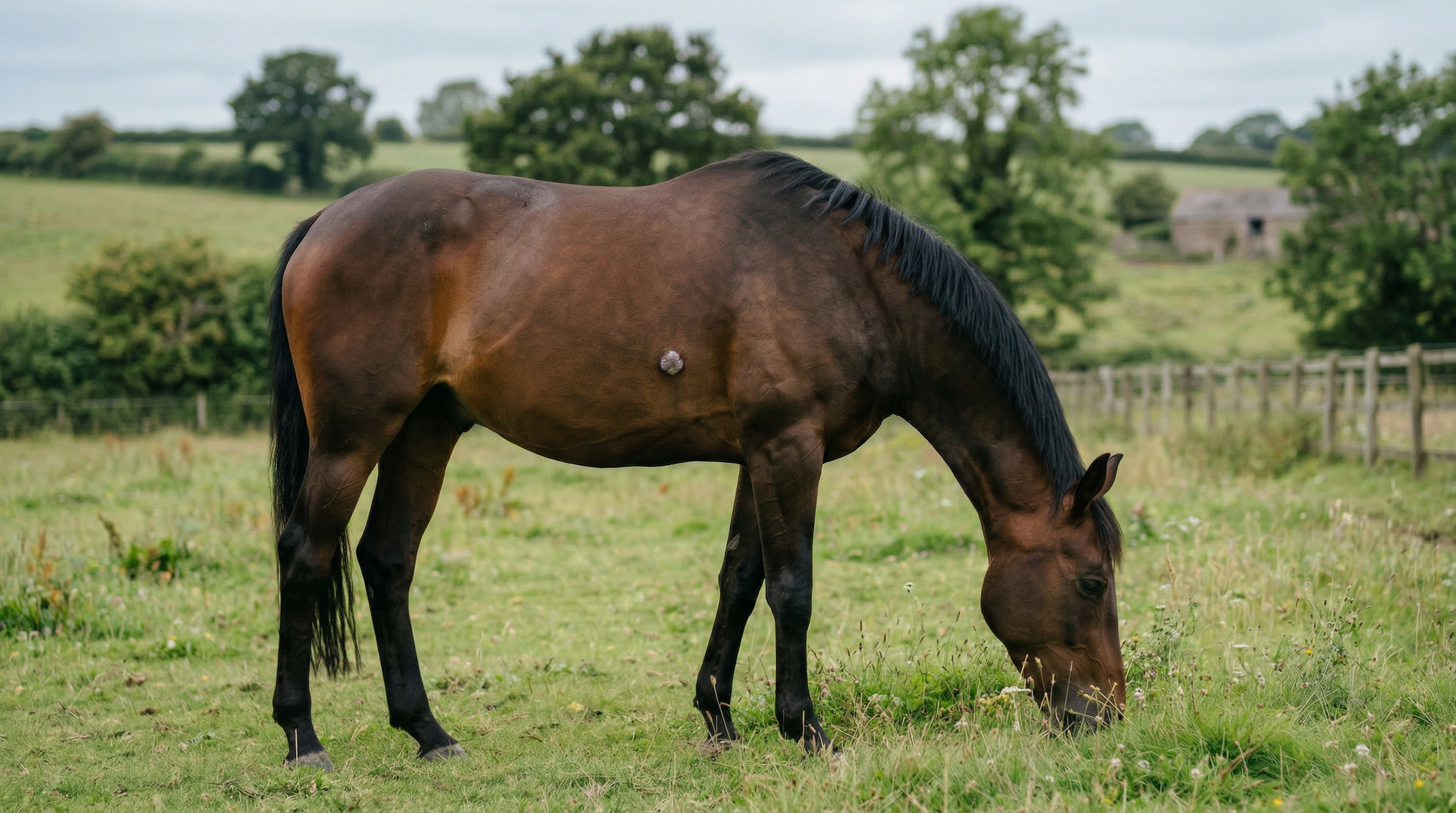
Do Sarcoids Need to Be Removed?
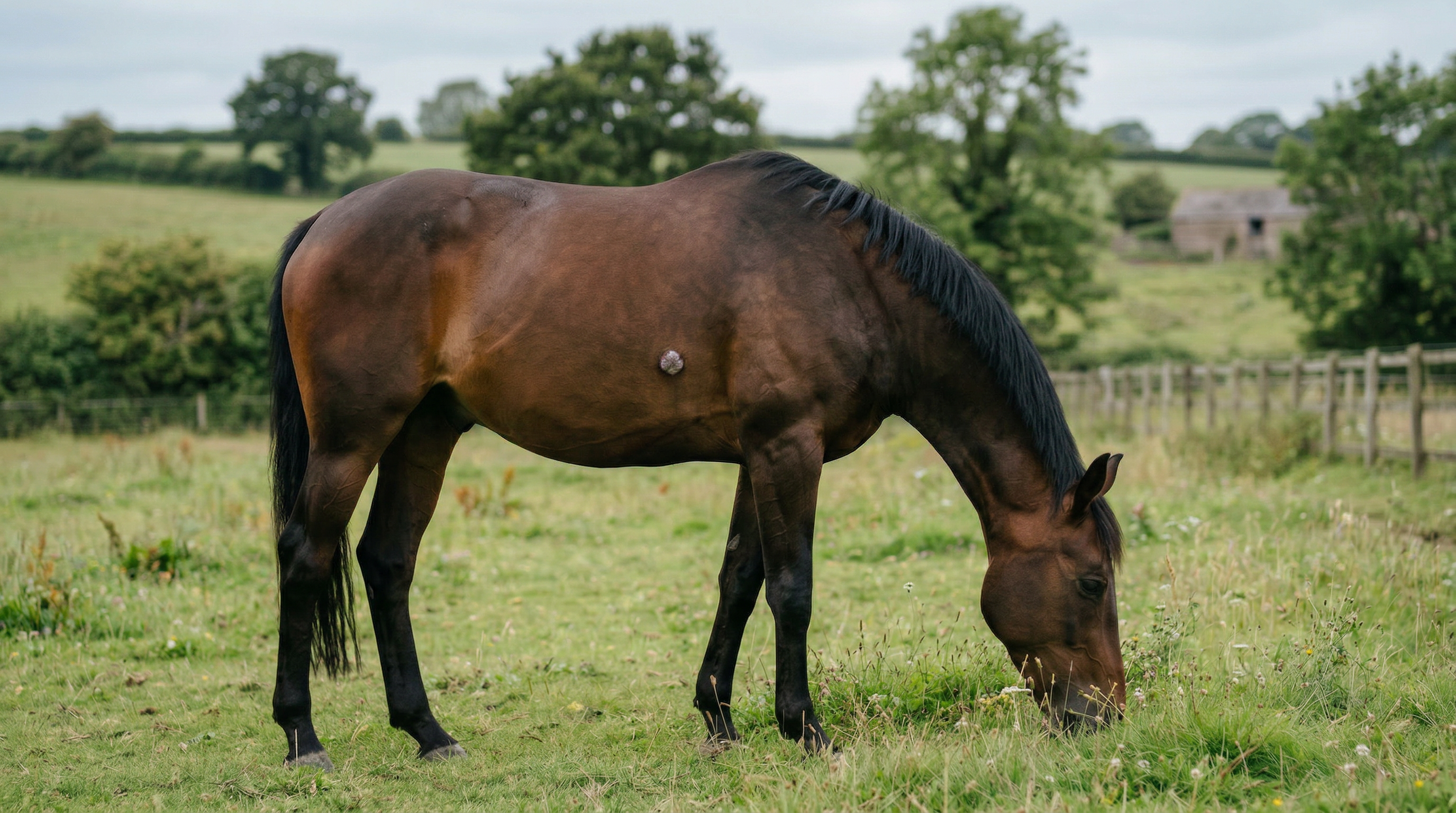
Do Sarcoids Need to Be Removed?
Short answer
No—sarcoids do not always need to be removed. In many cases, selective management or careful observation is more appropriate than immediate intervention.
Why this question is more complex than it sounds
It’s natural to assume that any tumour should be removed as quickly as possible. That logic works for many types of cancer—but equine sarcoids behave differently.
Sarcoids are:
Non-metastatic (they do not spread internally)
Locally invasive and unpredictable
Highly variable in how they respond to treatment
Because of this, removal is not a default decision. In fact, inappropriate or poorly timed intervention can make the condition significantly worse.
When removal is recommended
There are clear situations where treatment—sometimes including removal—is justified.
1. The sarcoid is actively changing
If a lesion is:
Increasing in size
Changing in appearance
Becoming more raised or fleshy
…it suggests biological activity. Progressive sarcoids are less likely to remain stable and more likely to become problematic over time.
2. The sarcoid interferes with function
Location is often more important than size.
Removal is typically considered when sarcoids:
Sit under tack (girth, saddle, bridle)
Affect movement (e.g. limbs or joints)
Interfere with vision (around the eye)
Affect sensitive areas (sheath, udder)
In these cases, even a relatively small lesion can justify intervention.
3. Ulceration or infection is present
Fibroblastic sarcoids can:
Break down
Bleed
Become chronically infected
At this stage, the issue becomes one of ongoing inflammation and discomfort, not just tumour presence.
Treatment is often necessary to:
Restore skin integrity
Reduce irritation
Prevent further progression
4. Rapid or aggressive growth
Some sarcoids—particularly fibroblastic types—can expand quickly.
These cases tend to:
Respond less predictably to treatment
Become more invasive over time
Early, well-planned intervention may improve outcomes in these scenarios.
When removal may not be appropriate
Equally important are the situations where removal is not the best option.
1. Small, stable sarcoids
Occult or verrucose sarcoids may:
Remain unchanged for long periods
Cause no discomfort
Pose minimal functional risk
In these cases, immediate removal may offer little benefit—and carries unnecessary risk.
2. High-risk locations for treatment complications
Some areas are difficult to treat effectively, including:
Around the eyes
The lower limbs
Areas with limited skin mobility
In these regions, removal can:
Be technically challenging
Carry a higher risk of recurrence
Lead to poor healing outcomes
3. Cases where intervention may trigger progression
One of the most important considerations with sarcoids is their response to trauma.
Clinical experience and published data indicate that:
Incomplete removal can stimulate regrowth
Physical disturbance can convert mild lesions into aggressive ones
Some treatments can worsen the condition if not properly selected
This is a key difference from many other tumours.
The risk of “getting it wrong”
The biggest issue with sarcoid removal is not whether it’s done—but how and when it’s done.
Poor outcomes are commonly associated with:
Incomplete surgical excision
Use of inappropriate topical treatments
Attempted removal without proper diagnosis or planning
These can lead to:
Larger, more aggressive lesions
Increased recurrence rates
More complex future management
This is why veterinary guidance is always recommended before intervention.
What does “removal” actually mean?
It’s also worth clarifying that “removal” isn’t a single approach.
Treatment options include:
Surgical excision (often with margins)
Laser removal
Cryotherapy (freezing)
Topical cytotoxic therapies
Immunotherapy (in selected cases)
Each has:
Different success rates
Different recurrence risks
Different suitability depending on sarcoid type and location
There is no universal “best” method.
A more useful way to think about it
Rather than asking:
“Should this sarcoid be removed?”
A more clinically useful question is:
“Is intervention likely to improve the long-term outcome in this specific case?”
That depends on:
Type of sarcoid
Location
Growth behaviour
Previous treatment history
A common misconception
A frequent belief is:
“If you leave a sarcoid, it will definitely get worse.”
The evidence does not fully support this.
Some sarcoids:
Remain static
Progress slowly
Only worsen after a trigger (e.g. trauma, irritation)
However, others do become more aggressive—so the challenge is predicting which path a given lesion will take.
Practical takeaway
Sarcoids do not always need to be removed, and in some cases, removal may do more harm than good.
The priority should be:
Careful assessment
Strategic decision-making
Avoiding unnecessary or poorly planned intervention
Sarcoid management is less about acting quickly—and more about acting appropriately so talk to your vet first.
To read our full article on sarcoids click here